That sort of heartless profiteering from the prediction markets (namely Kalshi and Polymarket) has continued pretty much unabated. Those companies have become unregulated casinos in our pockets, with scary consequence. So much so that John Oliver devoted an episode of his Last Week Tonight show to it a couple of weeks ago. Here’s a four-minute clip from it:
What Oliver says at the end is especially poignant:
If you’re considering using these markets to gamble, try and remember that you’re statistically likely to lose money. And while I’m not against gambling per se, there’s something so grim about these sites turning every aspect of our lives into a bet. Because sure, money can be won on them. But in that happening, something also gets lost. Specifically a society where things aren’t only weighed in financial terms, and where people engage in news for what it means to human beings – not just because they have $50 riding on it.
And I’d be remiss if I didn’t mention Scott Galloway’s post from last November about the prediction markets. He’s the one who put this emerging issue on my radar. His post is titled “The Next Opioid Crisis” – which may seem like hyperbole. But it’s a clear-eyed, fact-based and somber assessment of the dangers of gambling disguised as prediction markets, especially to young men.
As Oliver points out in his show, with Donald Trump Jr. on the payroll for both Kalshi and Polymarket, there won’t be any changes at the federal level. (The only sure bet is that the Trump family will always look for ways to cash in, no matter the costs to others.)
Are prediction markets making our society poorer in multiple ways? You bet!
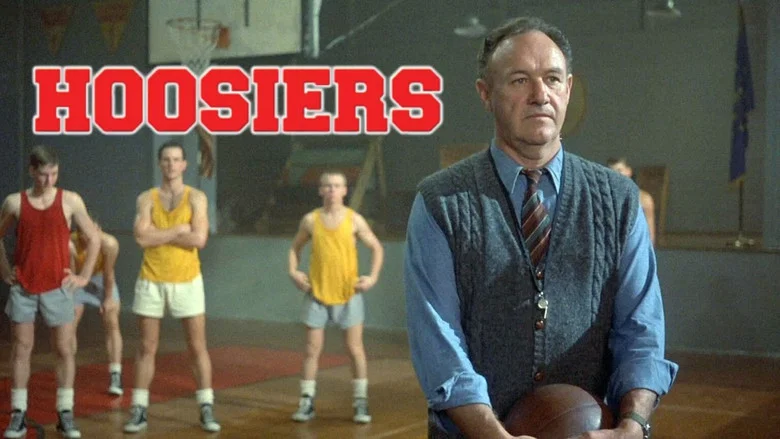
I spent a decent amount of time last week hootin’ and hollerin’ in the Hoosier State. with nary a Gene Hackman sighting.
Live music is my game.
This past Tuesday, I drove to Bloomington, Indiana to see Gladie, an indie rock band from Philadelphia. (And my new musical obsession.)
(I also took my son and one of his roommates out to dinner before the show. It was “two-fer Tuesday.”)
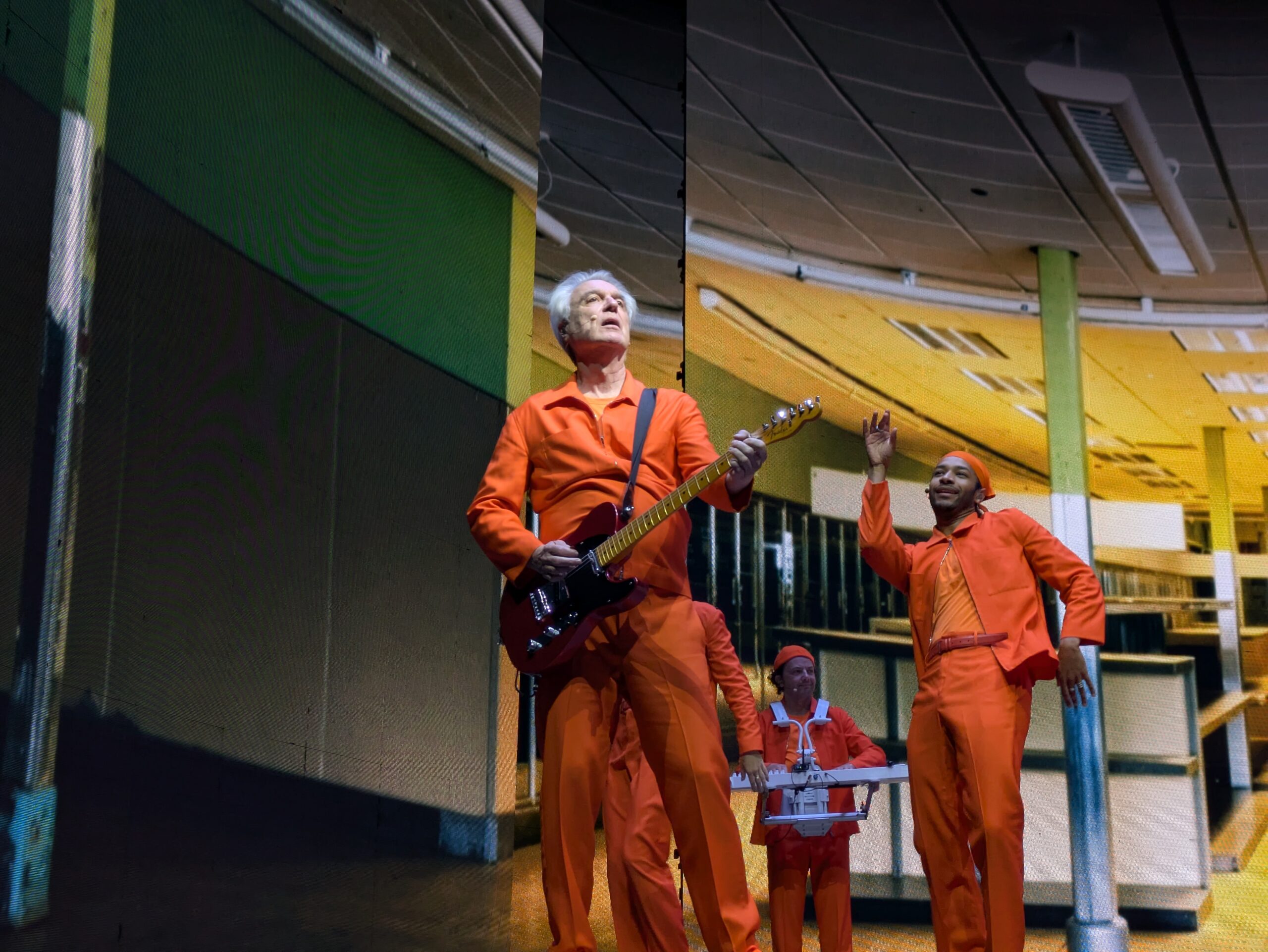
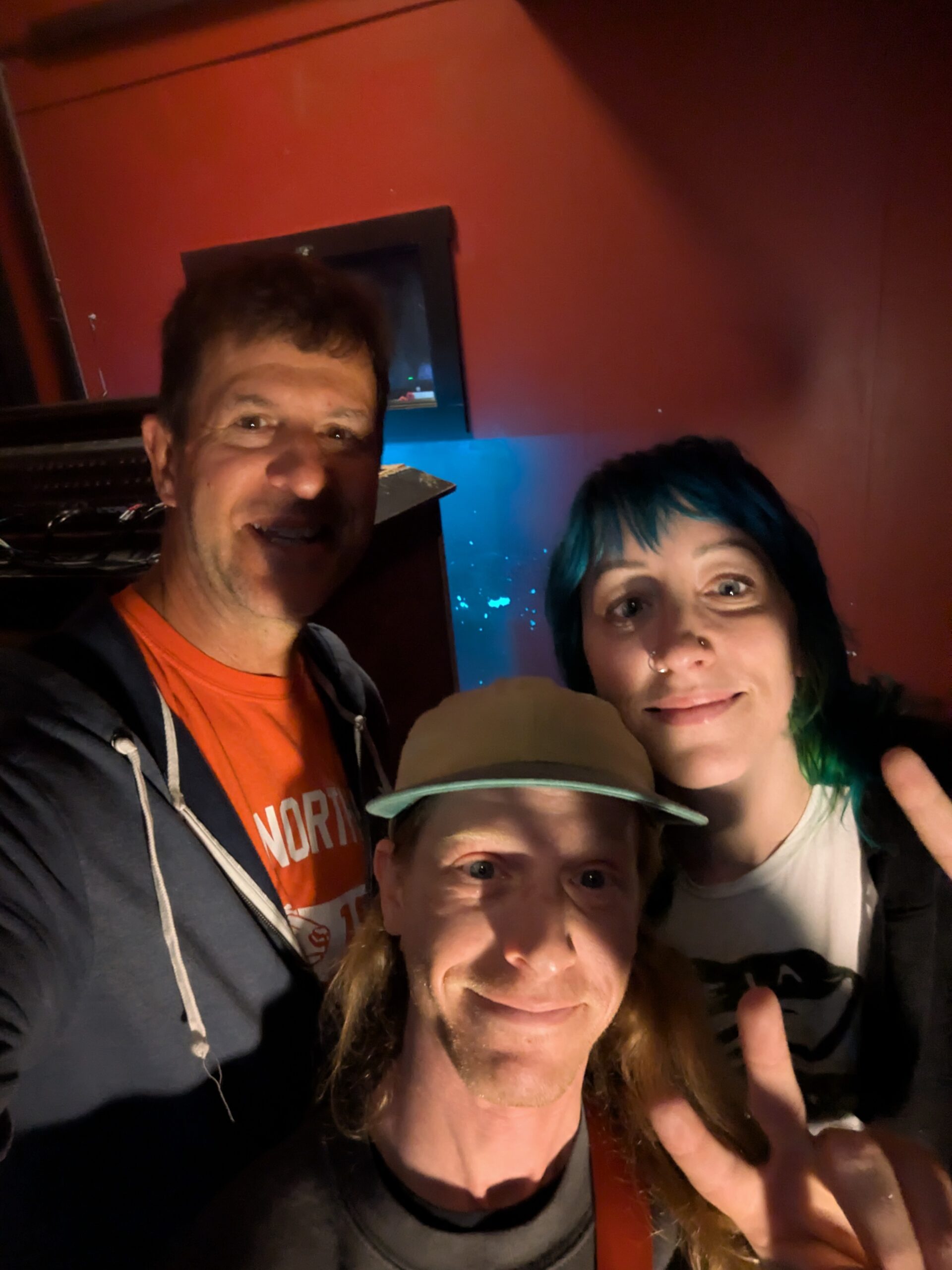
Then on Friday, I went to Indianapolis with my friends Deuce* and Matt to see David Byrne at the Murat Theater.
*everyone should have a friend named Deuce
The members of Gladie are probably in their 20s. David Byrne will turn 74 later this month. (You wouldn’t know it by his stage presence, though.)
Byrne’s show was part of a two-night, sold-out stand. 5000+ people total enjoyed his amazing show.
Gladie’s show probably had fewer than 60 paying customers. But to me, it was equally amazing.
When David Byrne and his fellow Talking Heads band members were starting out, they probably had many sparse crowds at CBGB and other NYC venues.
Making music for a living is a tough row to hoe. Talent matters, but there’s also a lot of luck (or at least “right place/right time” involved). Talking Heads were part of the NYC scene that included bands like Blondie, The Ramones, Television, the New York Dolls… They didn’t sound the same, but they supported each other, and benefitted from audiences that were open to new ideas. And those bands stayed true to their thing. They stayed indie, even as they moved to major labels and the stakes got higher. David Byrne — who typically bikes around NYC (such a brave soul!) — spent Thursday biking around Indianapolis and taking photos to use in his show. And he started a great website called “Reasons to be Cheerful.”
You can check out the website and sign up for their weekly email here.
In other words, even though he’s playing to much bigger crowds, David Byrne is still indie.
Will Gladie be playing bigger stages down the line? I have no idea. They certainly have the talent.
But I hope they stay true to their thing. I hope they stay indie. Because 50 years from now, staying true to yourself — even if it’s just for a crowd of 60 — will matter much more than selling out to get a sell-out.
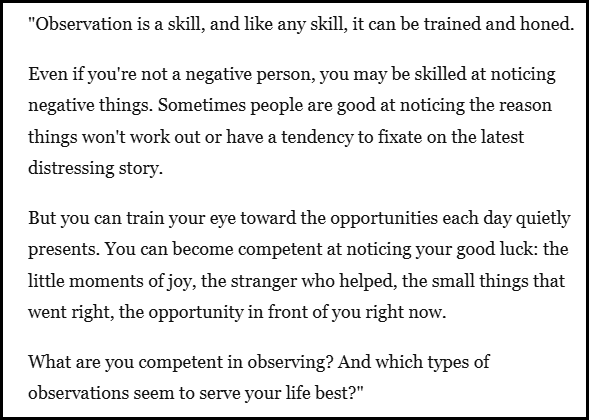
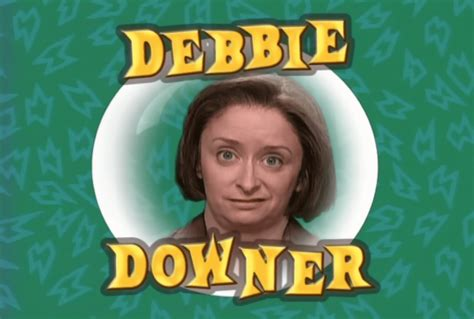
I’ll readily admit that I can be a Negative Nelly.
(OK, I begrudgingly admit it – true to form.)
A Debbie Downer.
“It’ll never work.”
“What will go wrong next?”
“We’re screwed.”
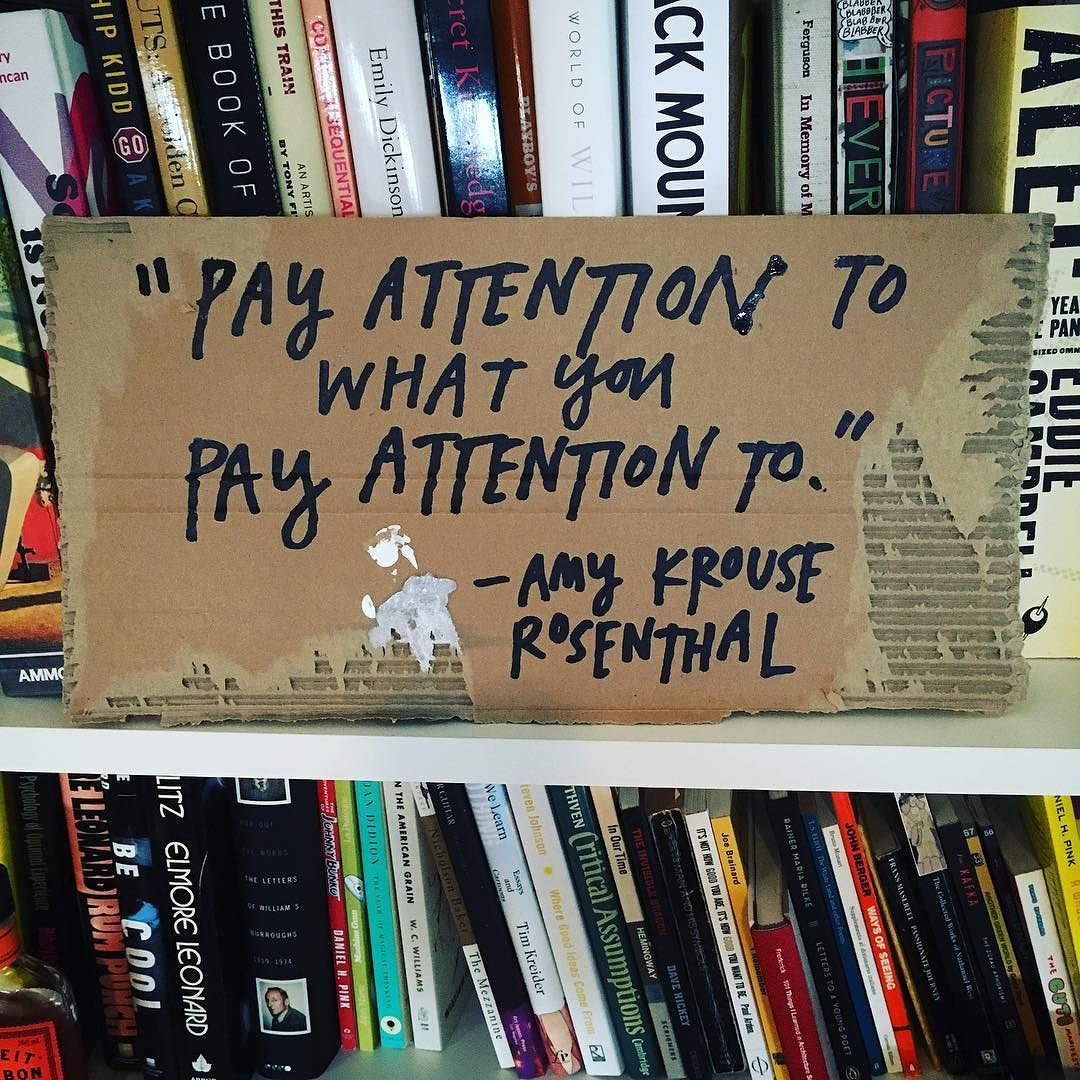
As Mr. Clear (great name, btw) points out, seeing the positive doesn’t involve putting on rose-colored glasses. It’s just – as Amy Krouse Rosenthal put it – paying attention to what you pay attention to.
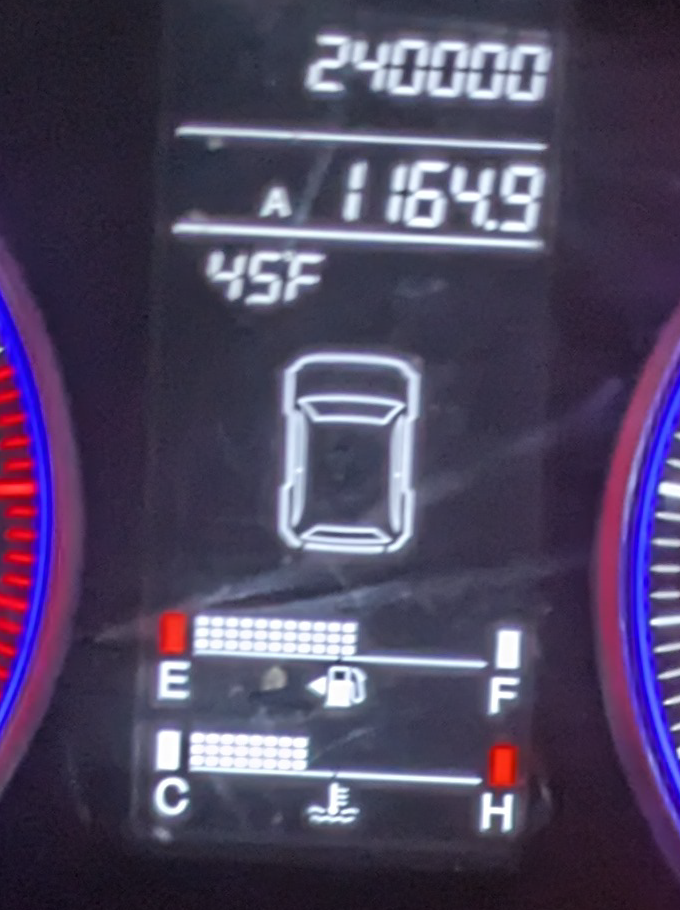
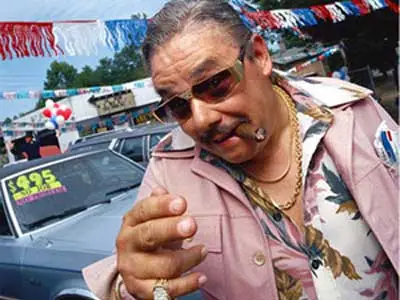
“Chad” (a.k.a. our 2008 Honda CR-V) recently hit a mileage milestone.
240,000 miles. And he’s not dead yet.
Most of those miles were courtesy of previous owners. We got “Chad” (our kids named him… er, I mean, it) nearly 8 years ago. He already had clocked 181,000 by then. As “used” as used can be.
But nearly 60K is certainly something to celebrate. That’s a lot of trips to high school for our kids. A lot of trips to work for me (although I often take the bus – Chad deserves a break). Grocery gettin’. Driving to pickleball or concerts (my two most frequent trips).
Yes, we’ve had to put some money into repairs and general maintenance. But we’re probably making the equivalent of a monthly car payment about two or three times a year, instead of 12. And I’ve got a mechanic who does side-hustle work on nights and weekends for much lower rates than the dealer or other repair shops.
“Buy and hold” – that’s our stock philosophy and our car philosophy.
There’s no touchscreen display. No bluetooth. No backup camera. No heated seats. Nothing fancy. Just dependable. When you turn the key, Chad starts. And goes. And keeps on going. And as long as that happens, we’ll keep rolling with Chad.
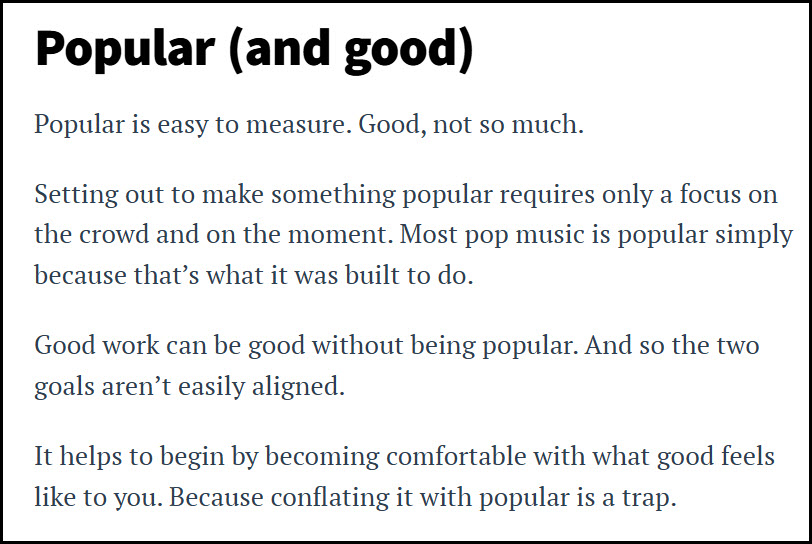
“Good work can be good without being popular.” Amen to that, Brother Seth! In keeping with the music reference that Seth made, I know dozens of bands who have created brilliant music but never got popular. There’s the famous Brian Eno quote about the Velvet Underground:
“I was talking to Lou Reed the other day, and he said that the first Velvet Underground record sold only 30,000 copies in its first five years. Yet, that was an enormously important record for so many people. I think everyone who bought one of those 30,000 copies started a band!”
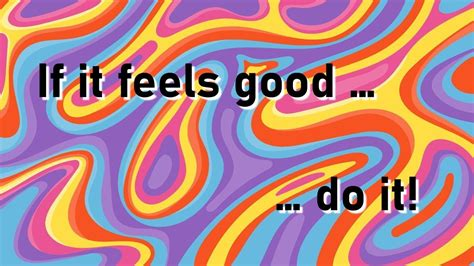
But the key part of Seth’s gospel passage is “begin by becoming comfortable with what good feels like to you.”
To YOU. Not anyone else. When it’s good, you’ll know it in your heart. And if you stay true to your heart (and gut) and keep doing the work, your good will get better.
Thomas G Kuhl on Get on the bus!: “I am glad that bus keeps circling………” Sep 8, 03:37
Kevin Sullivan on The full-brain workout: “Yep, keep writing .. in your voice. https://www.nytimes.com/2026/08/04/opinion/artificial-intelligence-ai-writing.html?unlocked_article_code=1.4VA.JFCf.Lr_UK5tlpBRR&smid=url-share” Aug 10, 10:57





You done said…