Hola! I’ve been using Duolingo to learn Spanish. Or at least to try to learn Spanish.
I’ve been at it for a bit. Or a bit longer than a bit.
Am I anywhere close to fluent? No. (Or, as we say in Spanish… “no.”)
But am I a lot better than I was before I started? Si!
And am I a lot better off spending time on the Duolingo app instead of mindlessly scrolling through social media? Without a doubt! I’ve probably never spent more than 20 minutes on Duolingo on any given day. Most days it’s more like 5-10 minutes. Not enough to make me bilingual. But enough to make a dent.
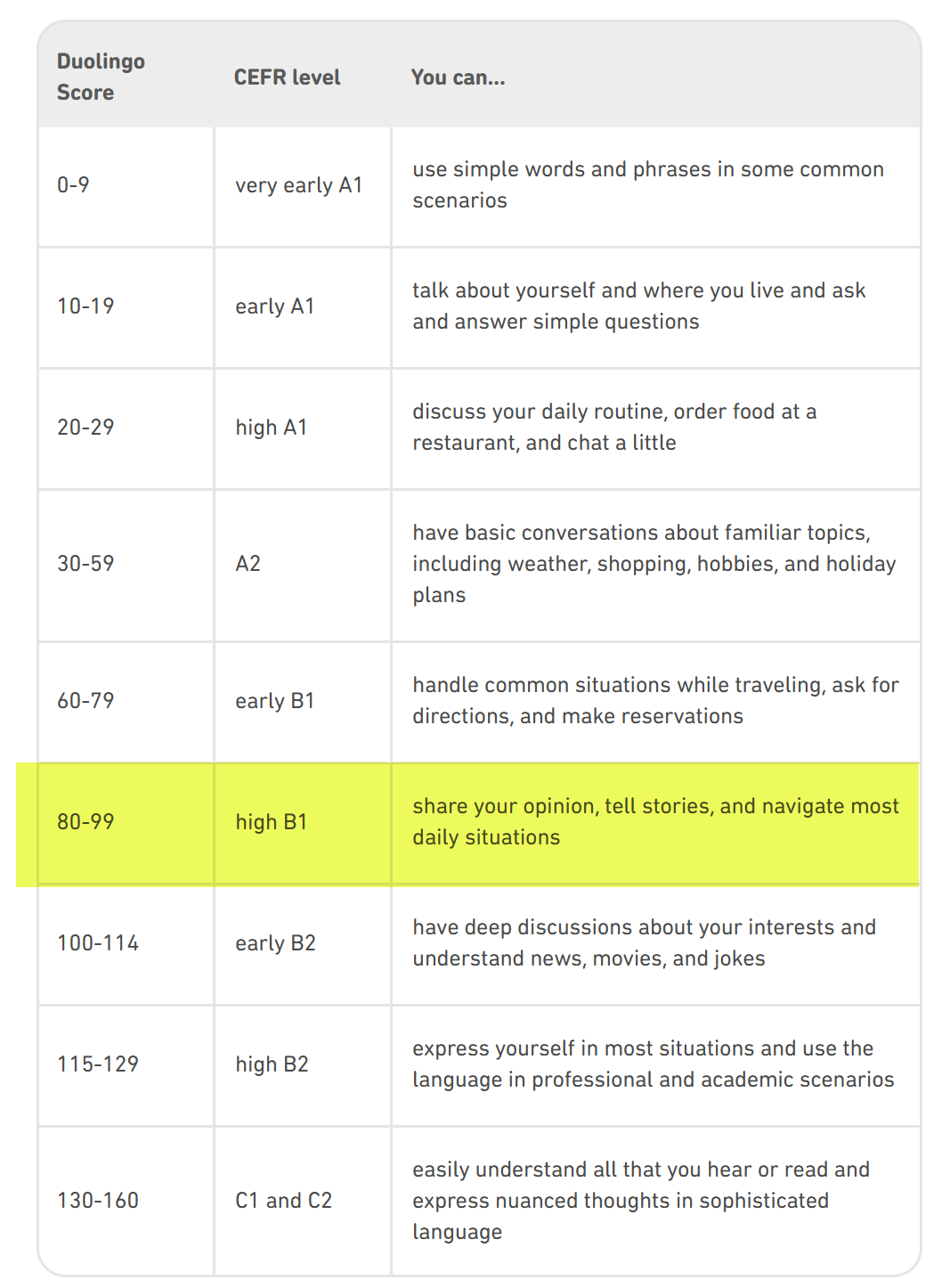
I’m up to 97 on my Duolingo score. Here’s what that means:
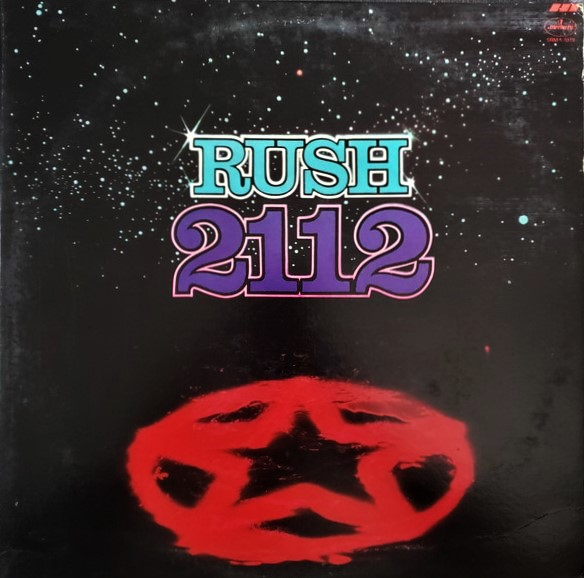
It didn’t happen overnight. I happened over 2112 days. (And yes, I chose that screenshot because I’m a Rush fan.)
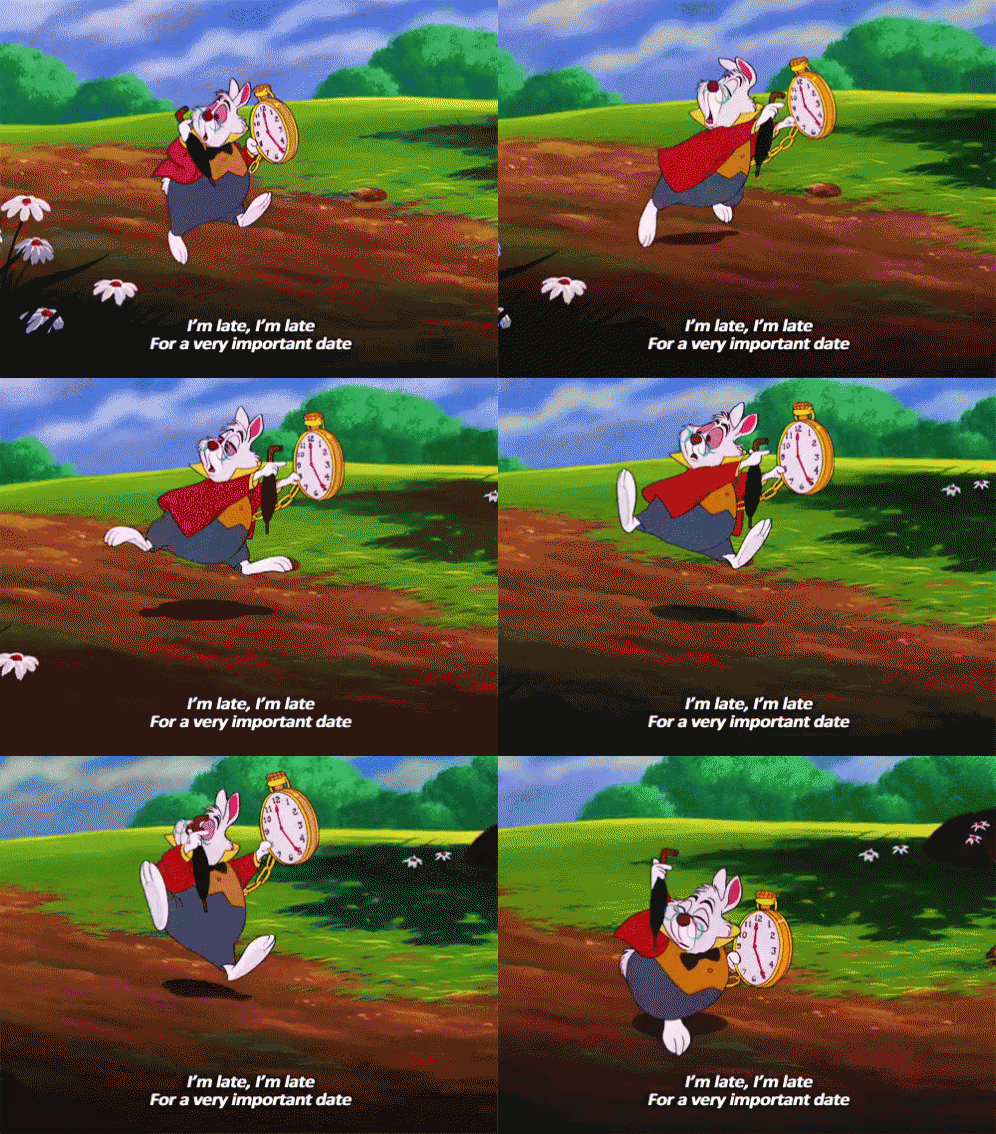
Better late than never, I suppose. Good thing I didn’t have “stop procrastinating” on my resolution list.
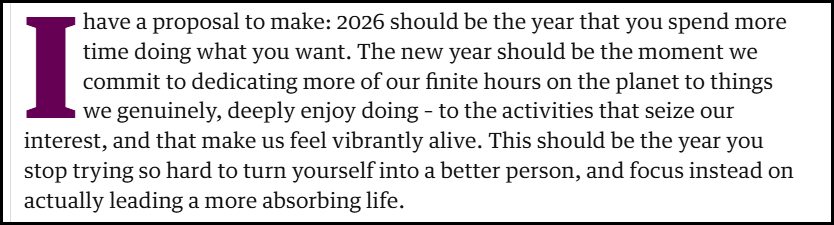
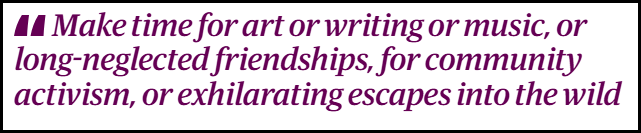
Although this great article from The Guardian that was published… well, the start of the year… is also giving all of us permission to ease off the self-improvement resolutions.
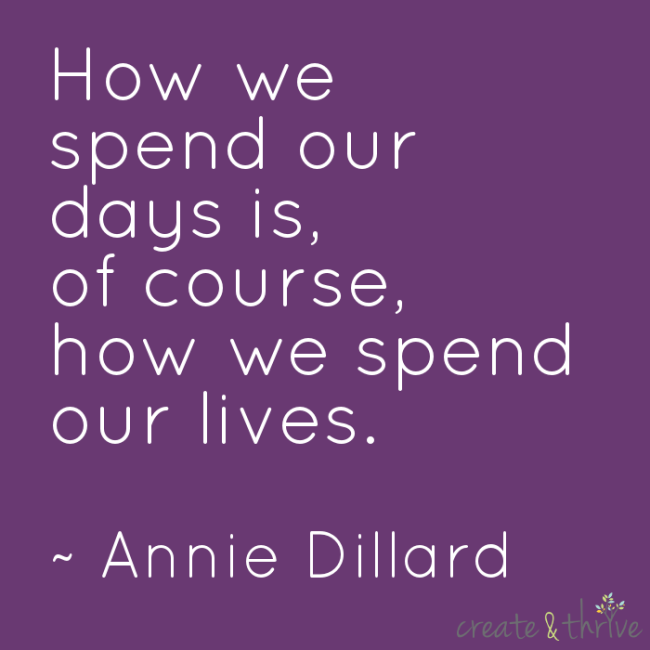
The intro paragraph from Oliver Burkeman’s piece sums up the concept quite nicely:
The older I get, the more “finite hours on the planet” really resonates. But no matter our age, all of us have limited spins on the big blue marble. And rather than putting off the things we like until a “someday” that may never come, why not do more of them today?
It’s waaay too easy to get caught up in the “I’ve got to be better at _____” cycle. It’s much tougher to give yourself permission to indulge in stuff you enjoy. But it’s not indulging, it’s nourishing your heart and soul.
The concepts of “keep grinding” and “hustle” have been elevated to virtue status.
But if you’re always grinding and never savoring, what’s the point?
That sort of heartless profiteering from the prediction markets (namely Kalshi and Polymarket) has continued pretty much unabated. Those companies have become unregulated casinos in our pockets, with scary consequence. So much so that John Oliver devoted an episode of his Last Week Tonight show to it a couple of weeks ago. Here’s a four-minute clip from it:
What Oliver says at the end is especially poignant:
If you’re considering using these markets to gamble, try and remember that you’re statistically likely to lose money. And while I’m not against gambling per se, there’s something so grim about these sites turning every aspect of our lives into a bet. Because sure, money can be won on them. But in that happening, something also gets lost. Specifically a society where things aren’t only weighed in financial terms, and where people engage in news for what it means to human beings – not just because they have $50 riding on it.
And I’d be remiss if I didn’t mention Scott Galloway’s post from last November about the prediction markets. He’s the one who put this emerging issue on my radar. His post is titled “The Next Opioid Crisis” – which may seem like hyperbole. But it’s a clear-eyed, fact-based and somber assessment of the dangers of gambling disguised as prediction markets, especially to young men.
As Oliver points out in his show, with Donald Trump Jr. on the payroll for both Kalshi and Polymarket, there won’t be any changes at the federal level. (The only sure bet is that the Trump family will always look for ways to cash in, no matter the costs to others.)
Are prediction markets making our society poorer in multiple ways? You bet!
I’ll readily admit that I can be a Negative Nelly.
(OK, I begrudgingly admit it – true to form.)
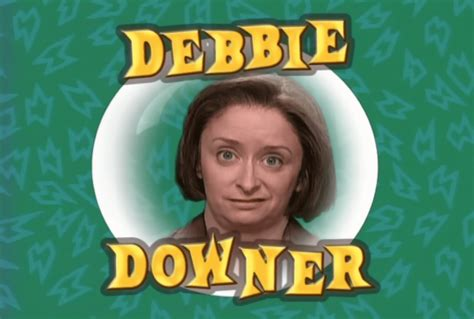
A Debbie Downer.
“It’ll never work.”
“What will go wrong next?”
“We’re screwed.”
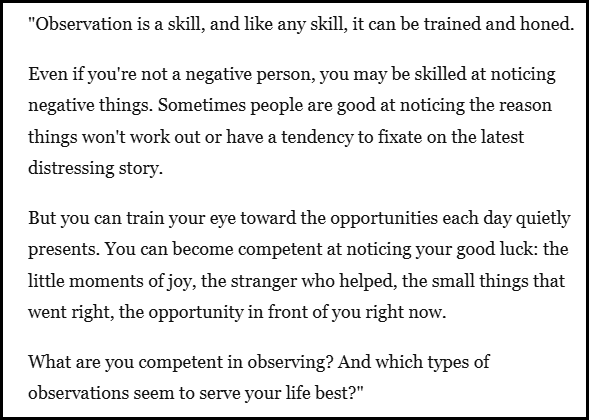
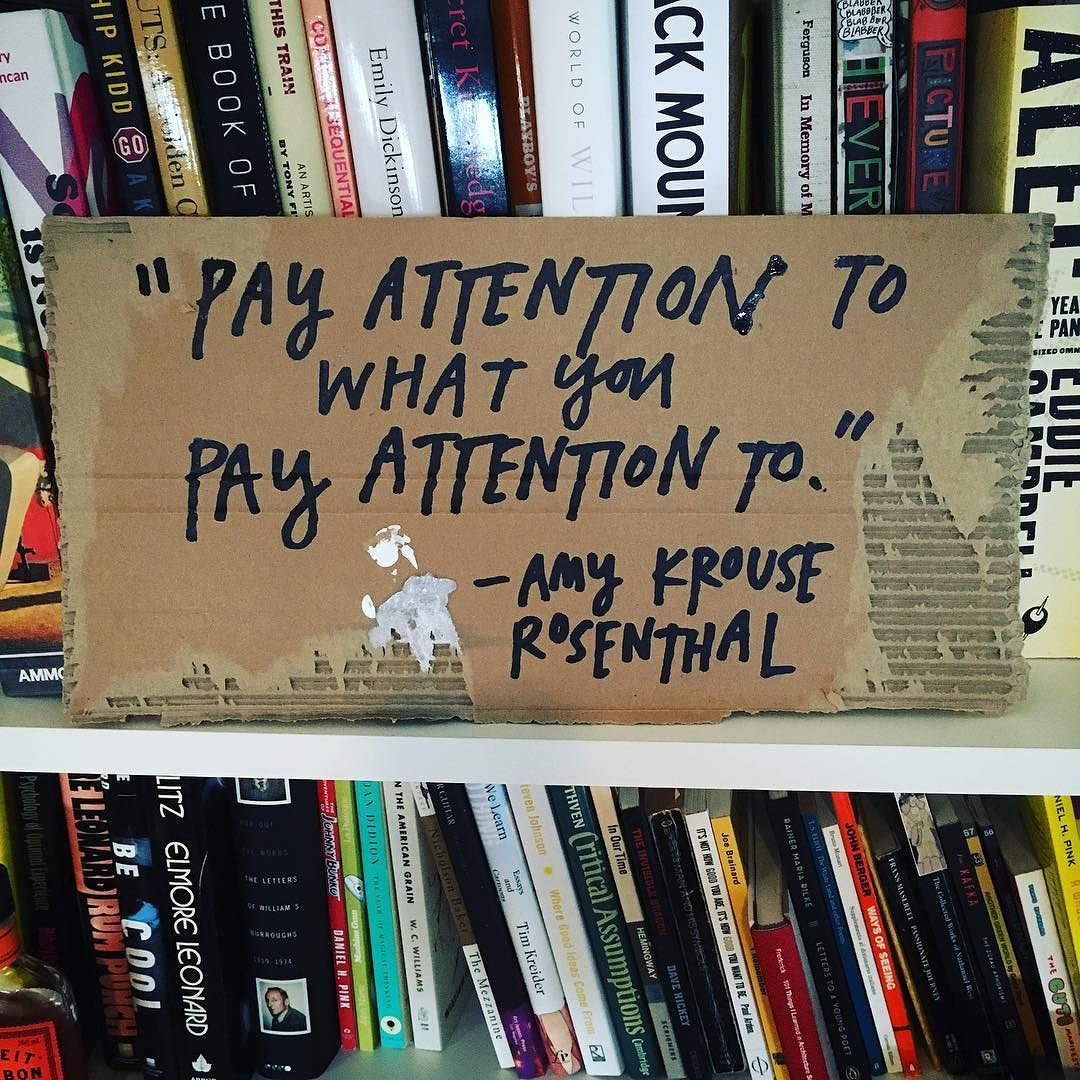
As Mr. Clear (great name, btw) points out, seeing the positive doesn’t involve putting on rose-colored glasses. It’s just – as Amy Krouse Rosenthal put it – paying attention to what you pay attention to.
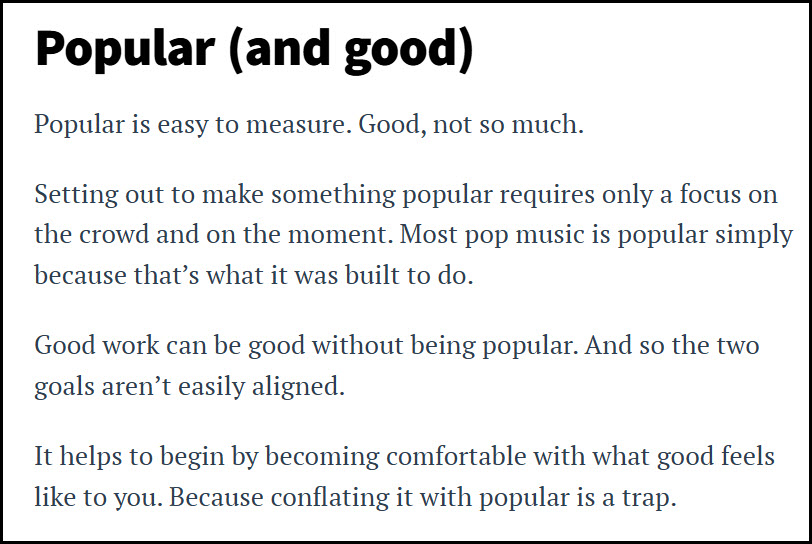
“Good work can be good without being popular.” Amen to that, Brother Seth! In keeping with the music reference that Seth made, I know dozens of bands who have created brilliant music but never got popular. There’s the famous Brian Eno quote about the Velvet Underground:
“I was talking to Lou Reed the other day, and he said that the first Velvet Underground record sold only 30,000 copies in its first five years. Yet, that was an enormously important record for so many people. I think everyone who bought one of those 30,000 copies started a band!”
But the key part of Seth’s gospel passage is “begin by becoming comfortable with what good feels like to you.”
To YOU. Not anyone else. When it’s good, you’ll know it in your heart. And if you stay true to your heart (and gut) and keep doing the work, your good will get better.
Batman & Robin are blasé compared to the real Dynamic Duo.
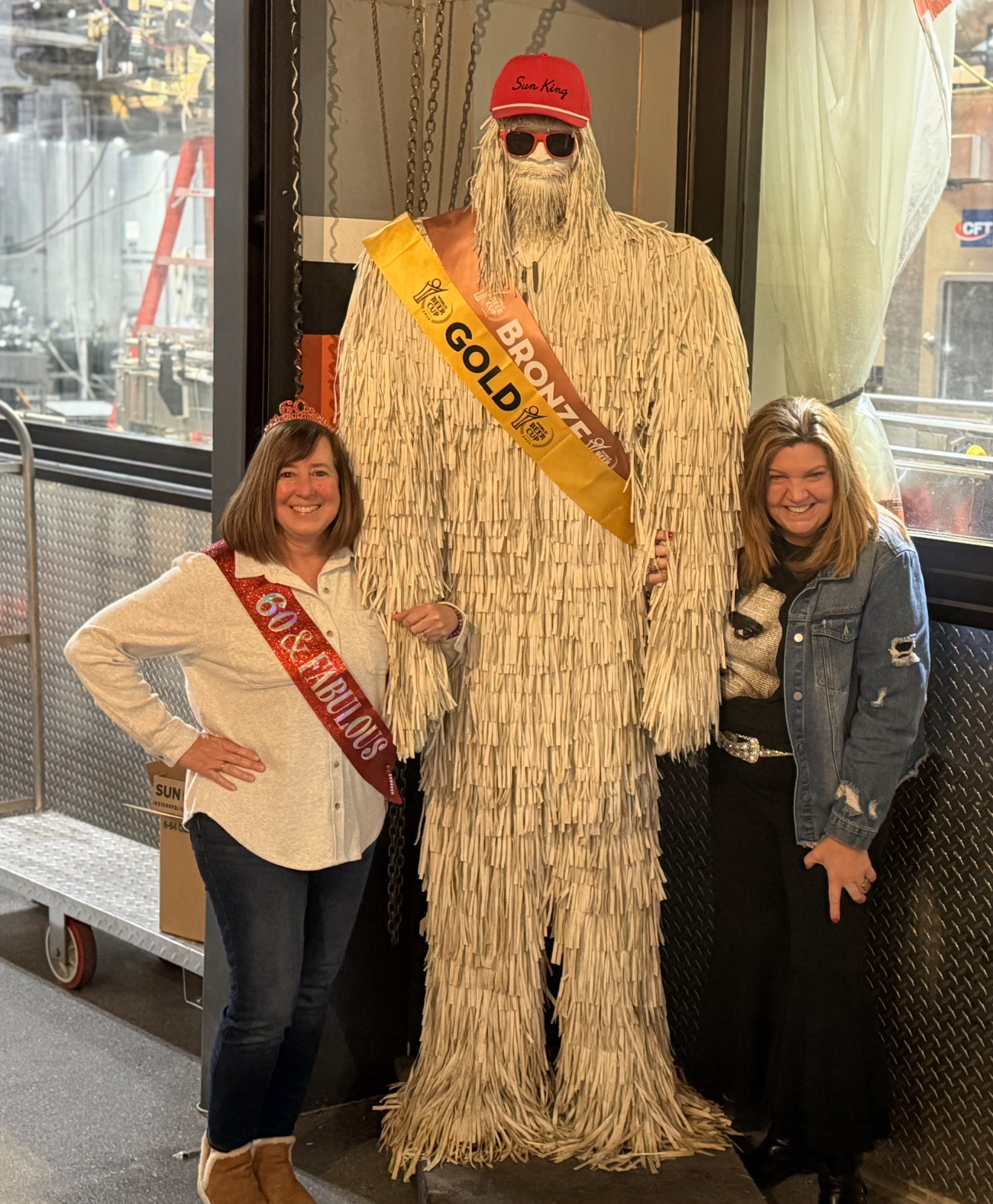
It isn’t Batman & Robin, it’s Carol & Robin:
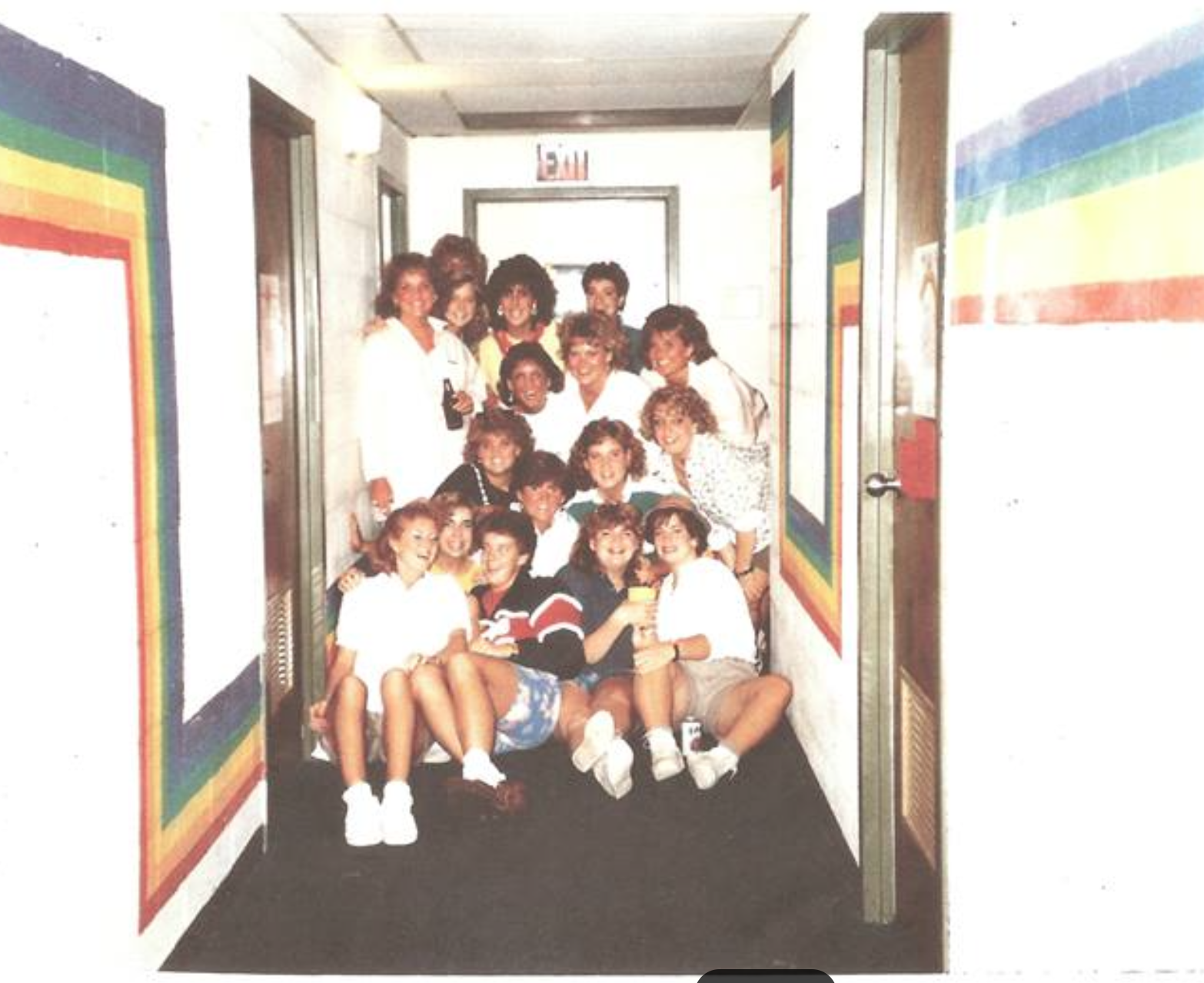
I met them eons ago in college. They were a couple of years younger than our gang, but they became our pseudo kid sisters… mainly because two of their friends actually were kid sisters of two guys in our gang. At a small school like Xavier, it wasn’t long until all of us knew all of them and their larger group of friends.
[I’m not sure if Carol’s in the photo above – someone’s giant hair may be blocking her – but this is their squad, for sure.]
They’re NOT two peas in a pod. More like yin and yang. Or sugar and spice. Or sugar and hot sauce. Carol hails from Indianapolis. Robin’s a Cleveland kid. Carol’s a gentle soul, and Robin’s brash and bawdy. But the alchemy that happens when they get together is nothing short of amazing. It’s also usually nothing but trouble — in the best way possible.
Every time they meet up – which is often – it’s like they’re 18 all over again. Robin instigates. Carol aids and abets in the shenanigans. Robin starts laughing. Carol starts laughing and can’t stop. Next thing you know, everyone is laughing.
Even though they live in different cities (they’re back in their hometowns), they are inseparable soul mates. (Just don’t tell Carol’s husband or Robin’s boyfriend… actually they both already know it.)
Best friends are never apart, maybe in distance but never in heart.” – Helen Keller
If you’ve found the Carol to your Robin, or the Robin to your Carol, consider yourself truly blessed. Even if you just know a Carol & Robin, you’re lucky. They bring joy to each other, obviously. You wouldn’t invest 40+ years into someone who brings you down. But the special bond they have radiates outward. Twin suns, brightening up our days. They bring joy to the world — especially the folks like us who are lucky enough to be in their orbit often.
Damian on Uno, dos, tres, cuatro…: “That’s where my head was for the title as well, Chuck! Great musical minds…” Jun 2, 21:36
Chuck Wiggins on Uno, dos, tres, cuatro…: “The extent of my high school Spanish memory is being able to to the count off at the beginning of…” Jun 2, 11:19
Thomas Kuhl on M.P.G. the M.V.P.: “I see the resemblance especially with the facial features?!?” May 19, 03:19
Chuck Wiggins on M.P.G. the M.V.P.: ““I Can’t Make You Love Me” is a fabulous song – I love the clip above, so will go searching…” May 18, 13:19





You done said…